METAL CASTING
Personal Work · Bronze & Brass
Sculptural work developed through lost-wax casting and experimental metal casting techniques.
Lost-wax casting · Ceramic shell · Refractory molds · Sand molds · Centrifugal casting
During my Fine Arts studies, I focused on metal casting, exploring a range of traditional and experimental techniques. This selection brings together some of those techniques alongside some of my personal sculptural work.

CERAMIC SHELL MOLD
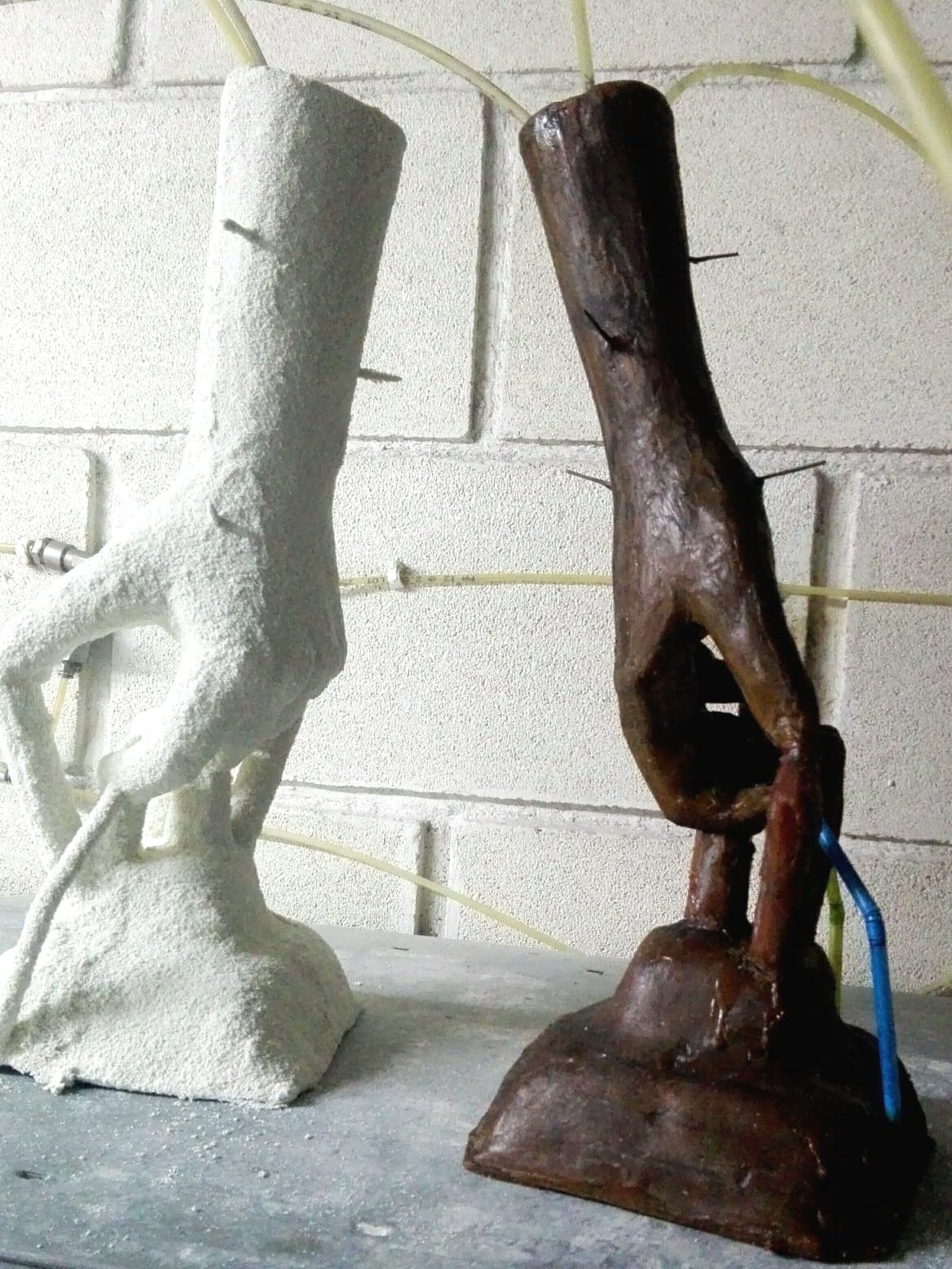
Ceramic shell investment molds allow for highly detailed reproduction and the casting of complex forms, including intricate surfaces and hollow cores.
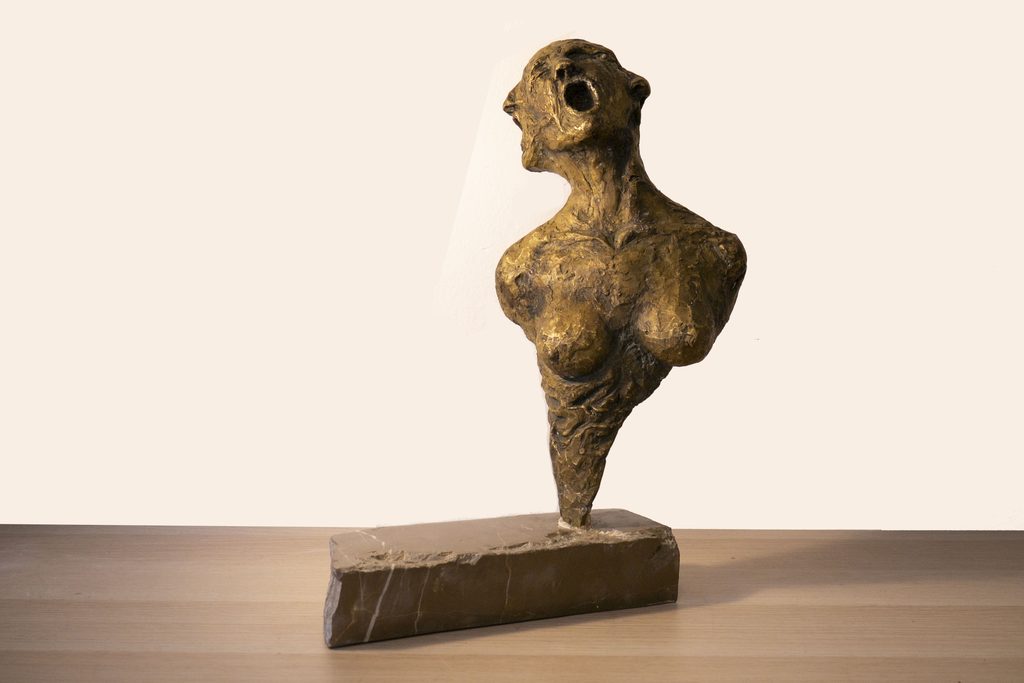
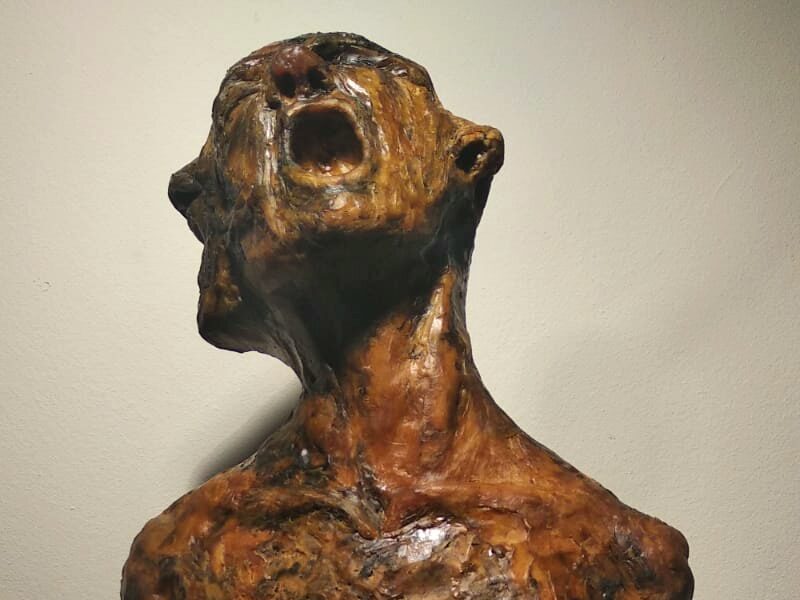
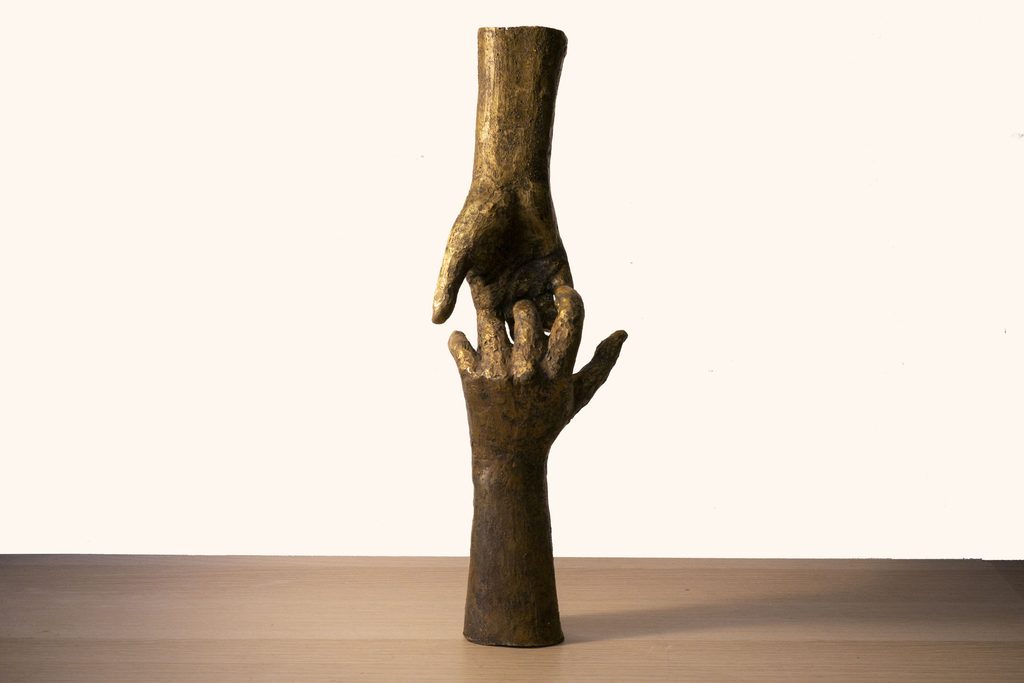
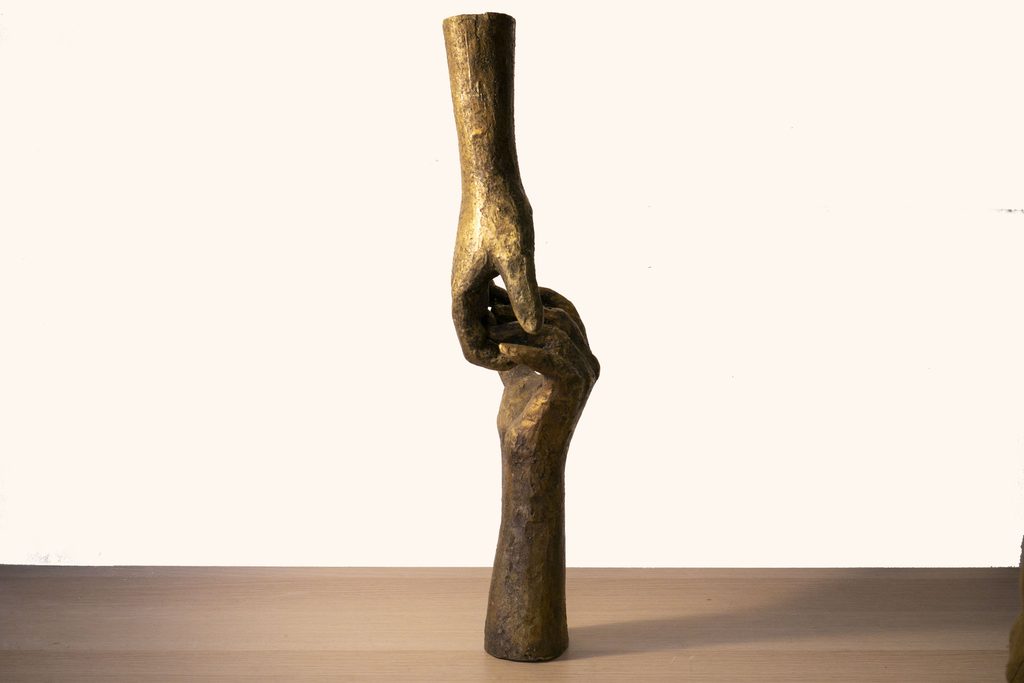
ALIENATION, 2020
Brass · Grey Pulpis marble base
41 × 19 × 16 cm
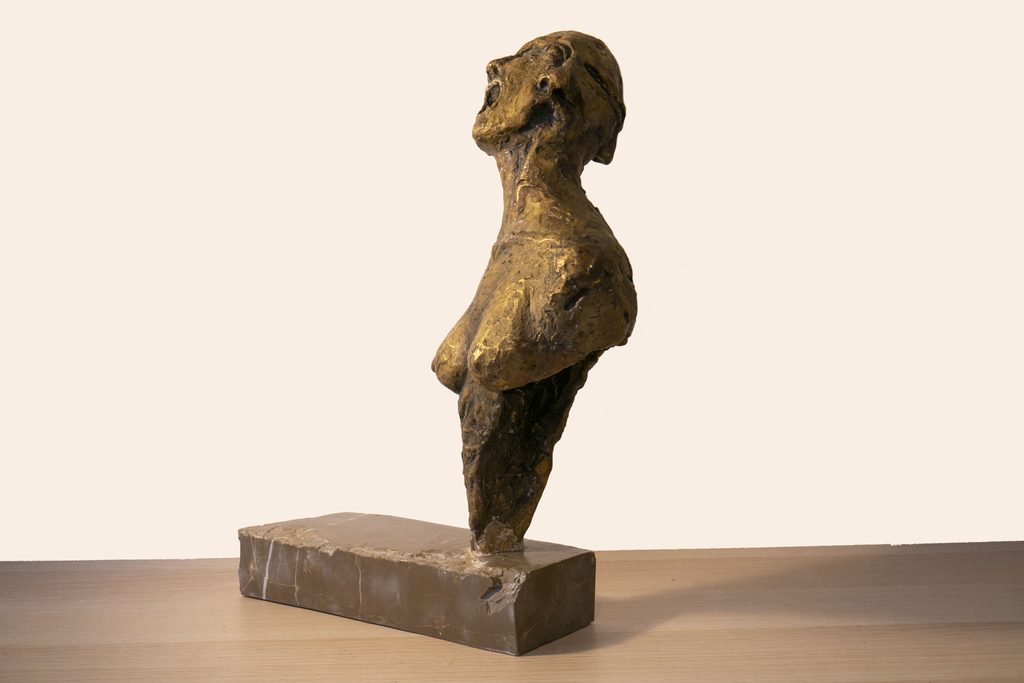
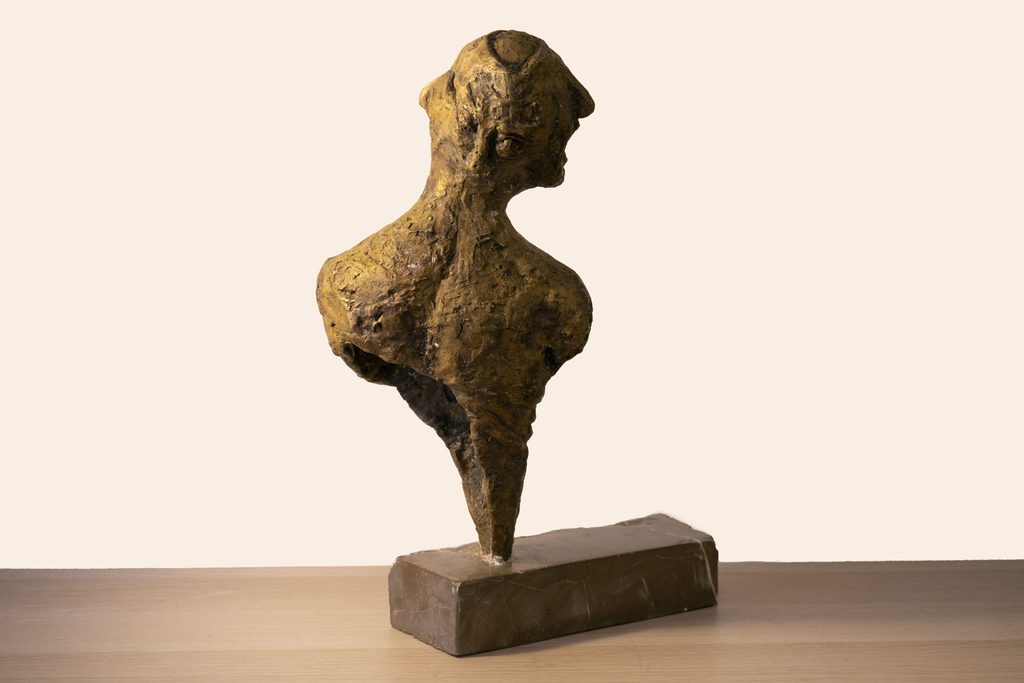
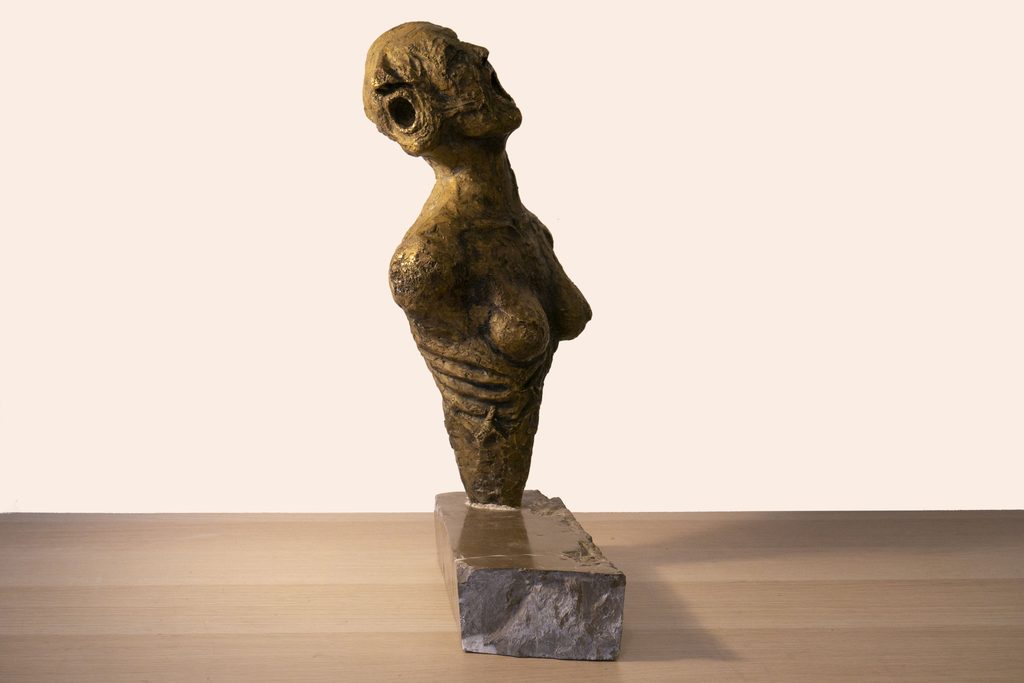
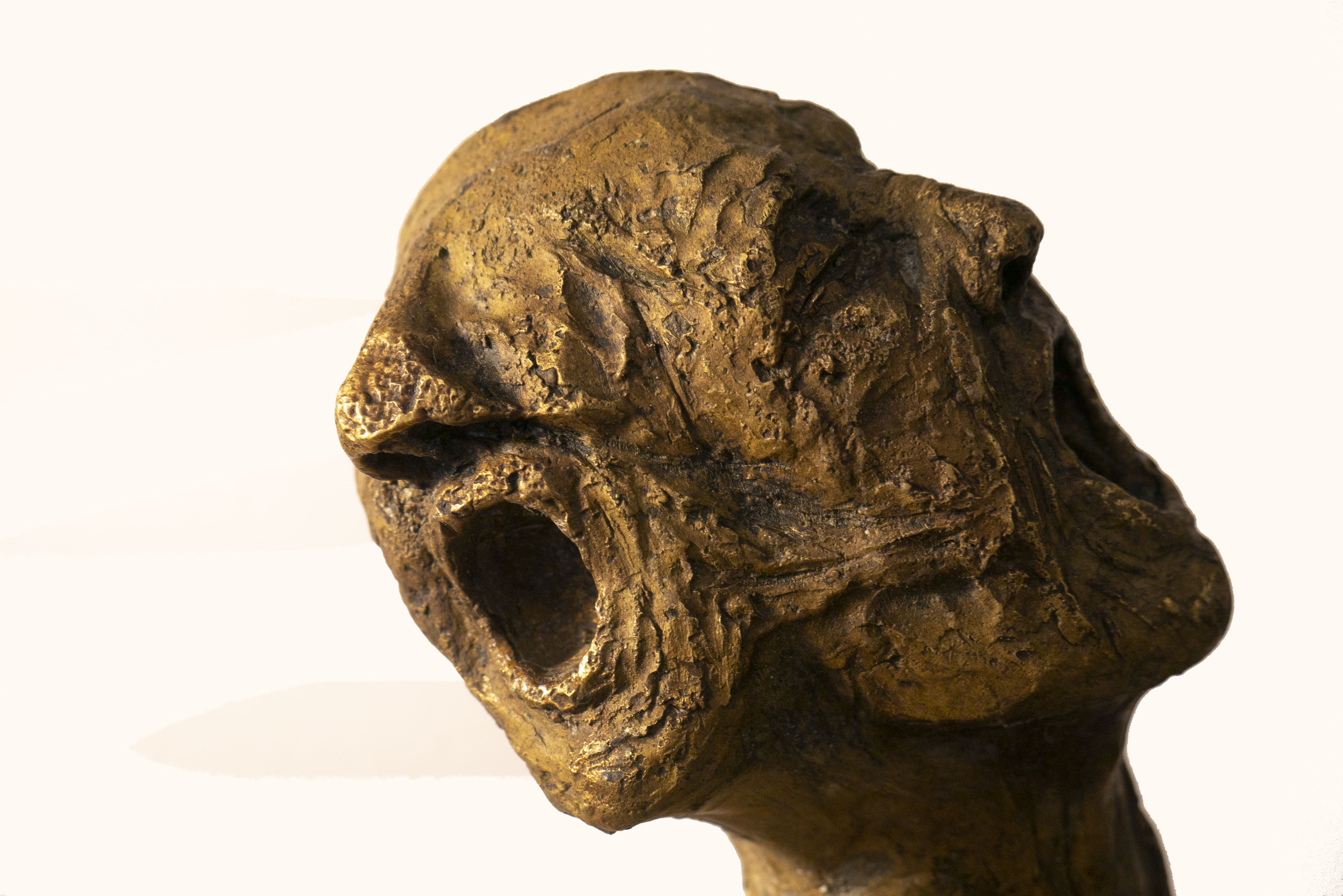
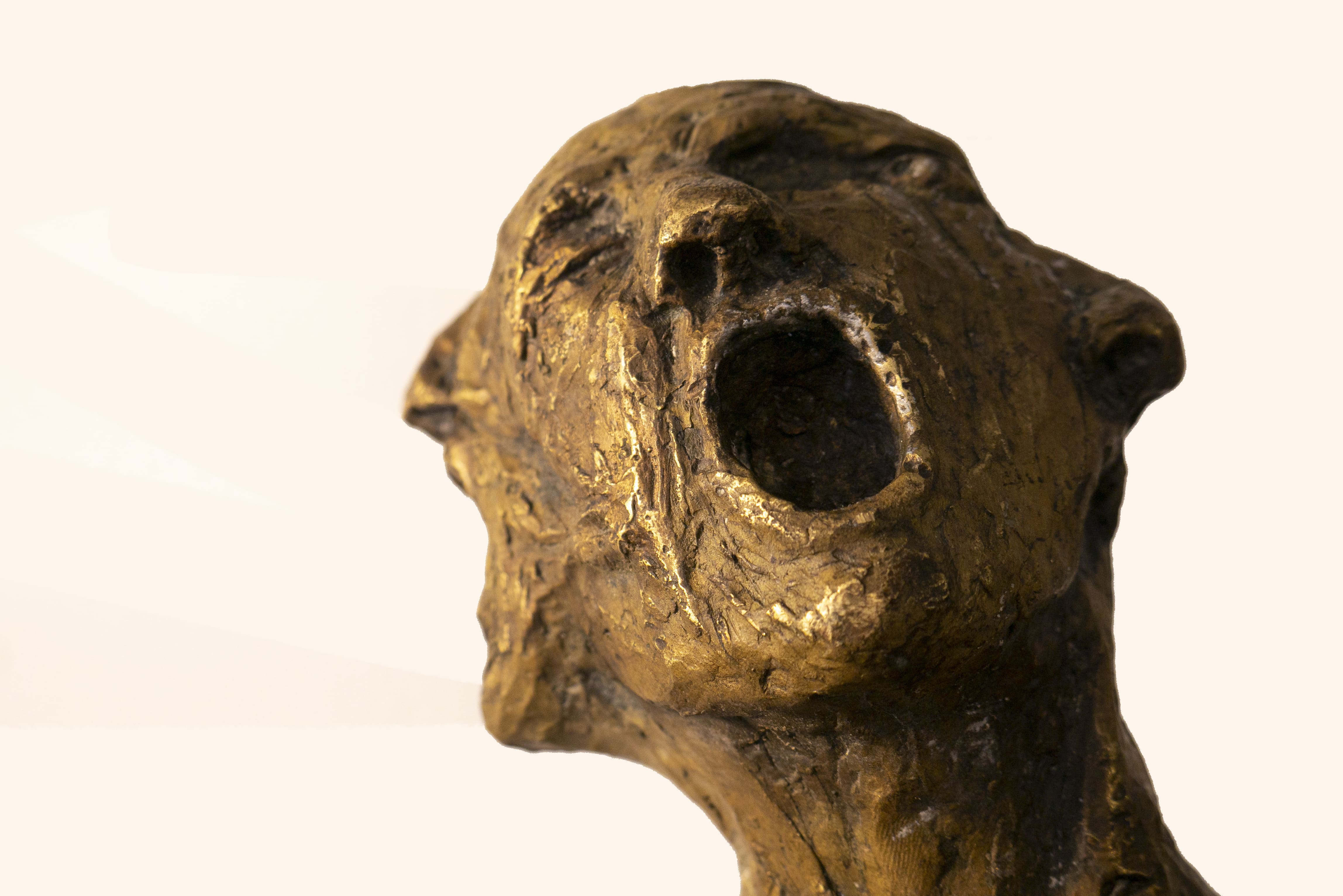
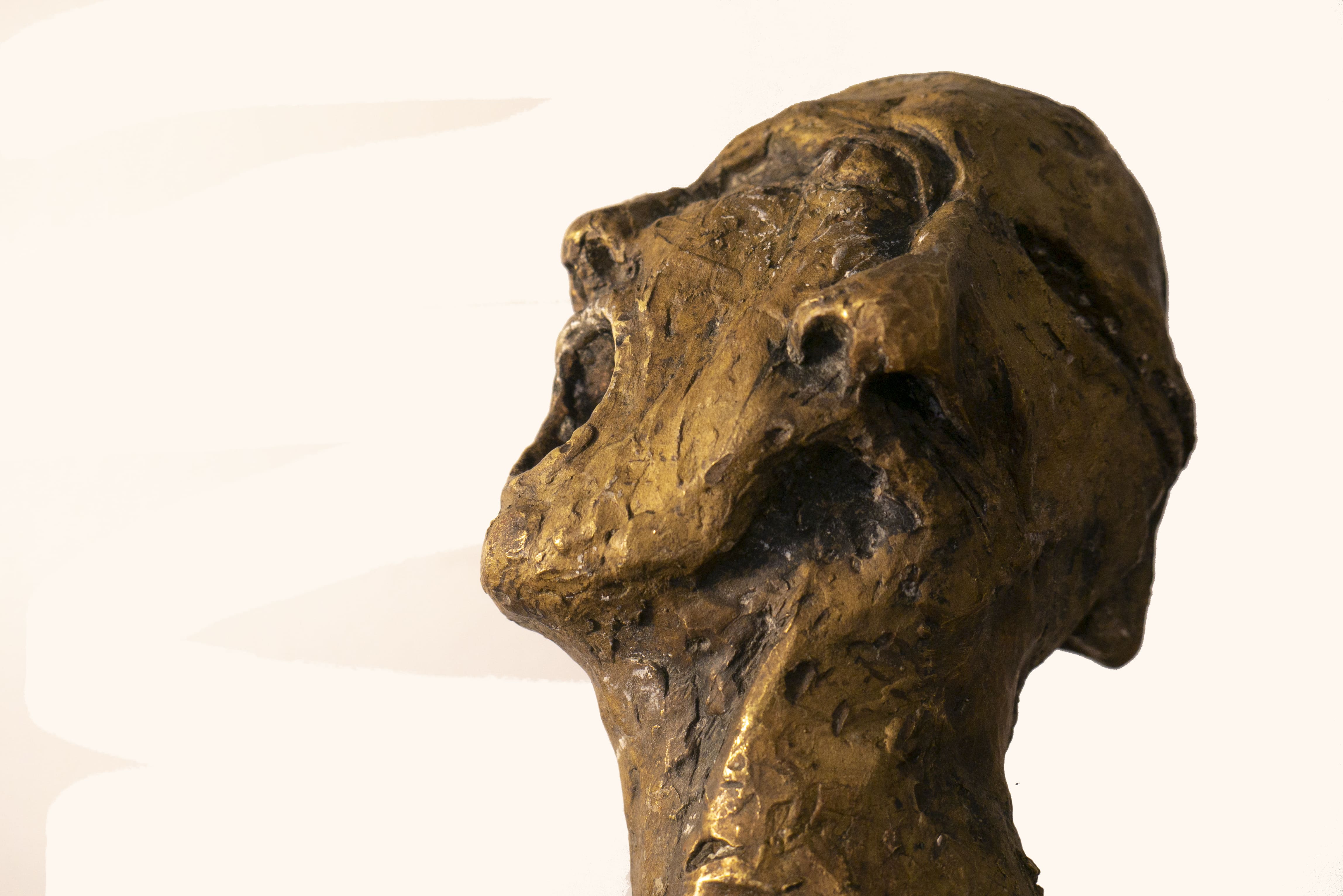
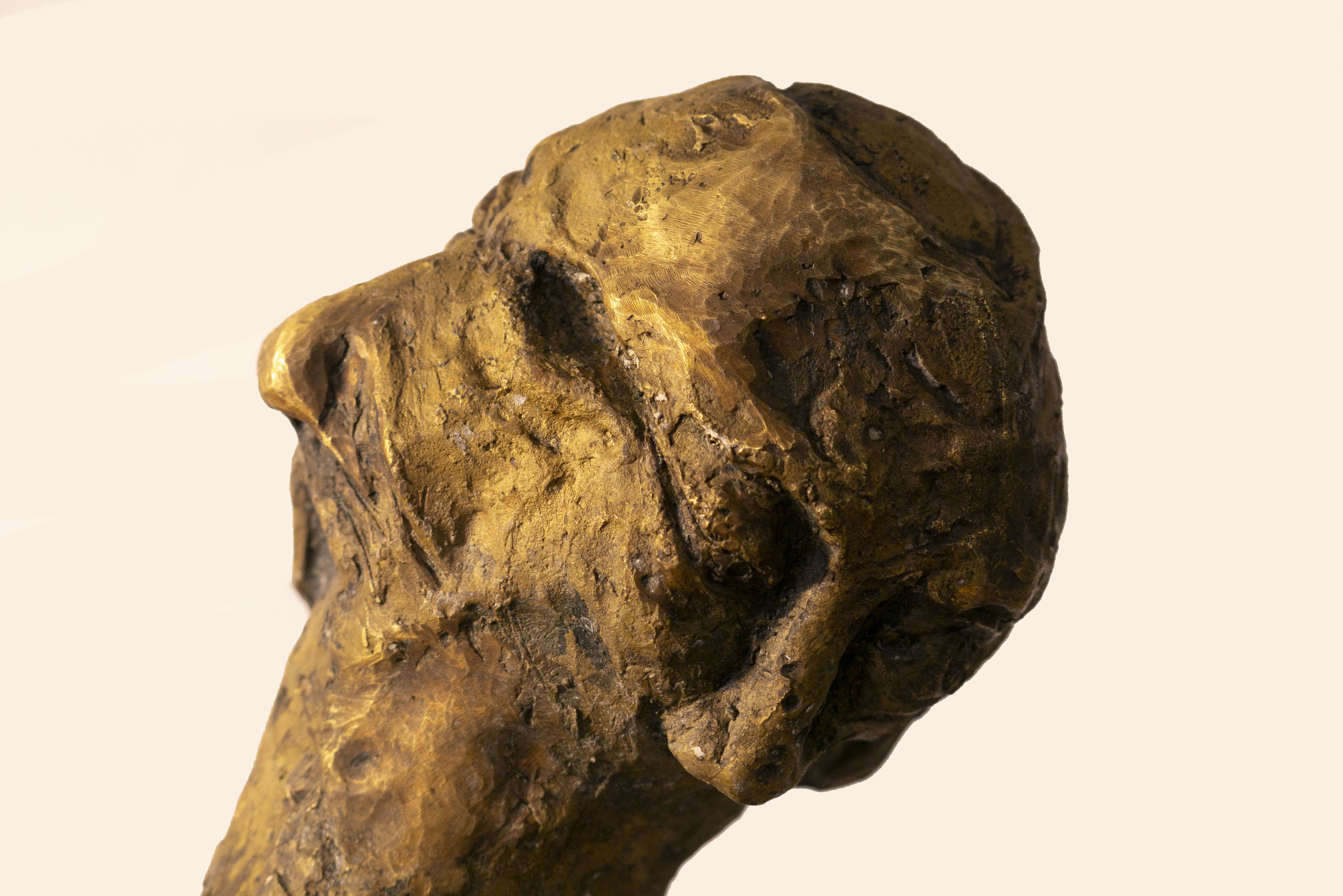
ceramic shell mold – lost wax casting process
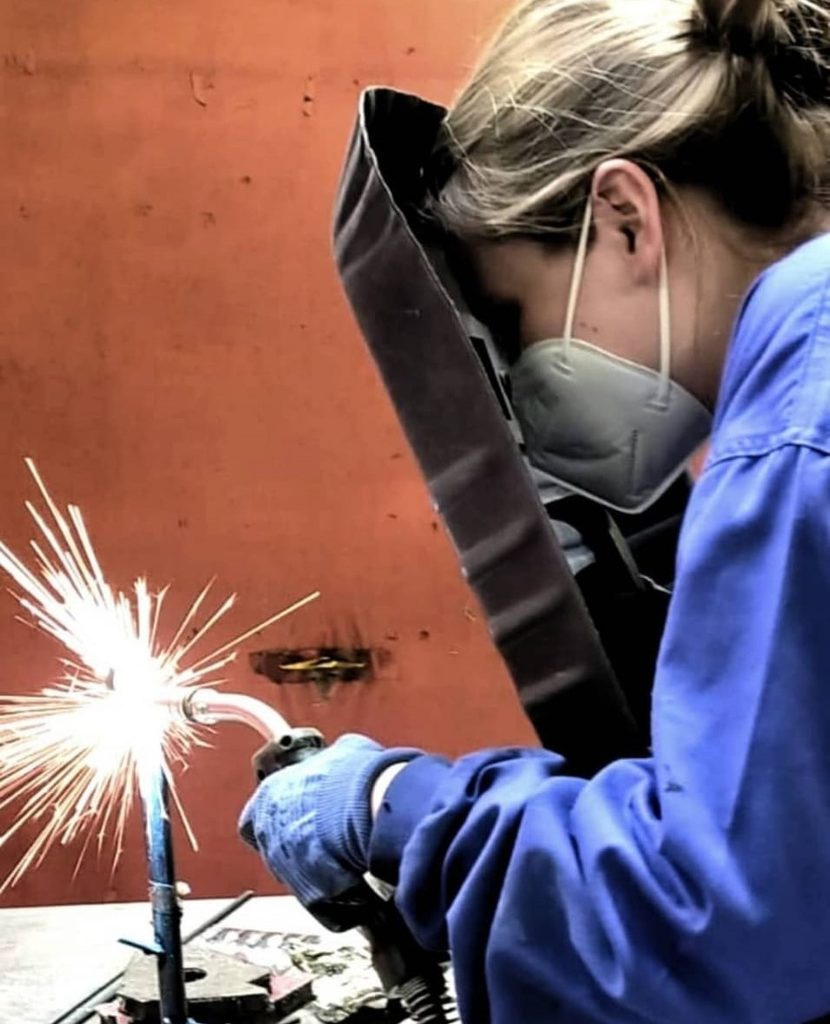
Many of these processes begin with sculpting by hand using casting wax. Metal modelling tools and a Bunsen burner are used to heat the tools and shape the wax.
The casting sprue (or tree) is then created according to the specific requirements of the piece. A layer of shellac is applied to help the subsequent mold layers adhere to the surface.
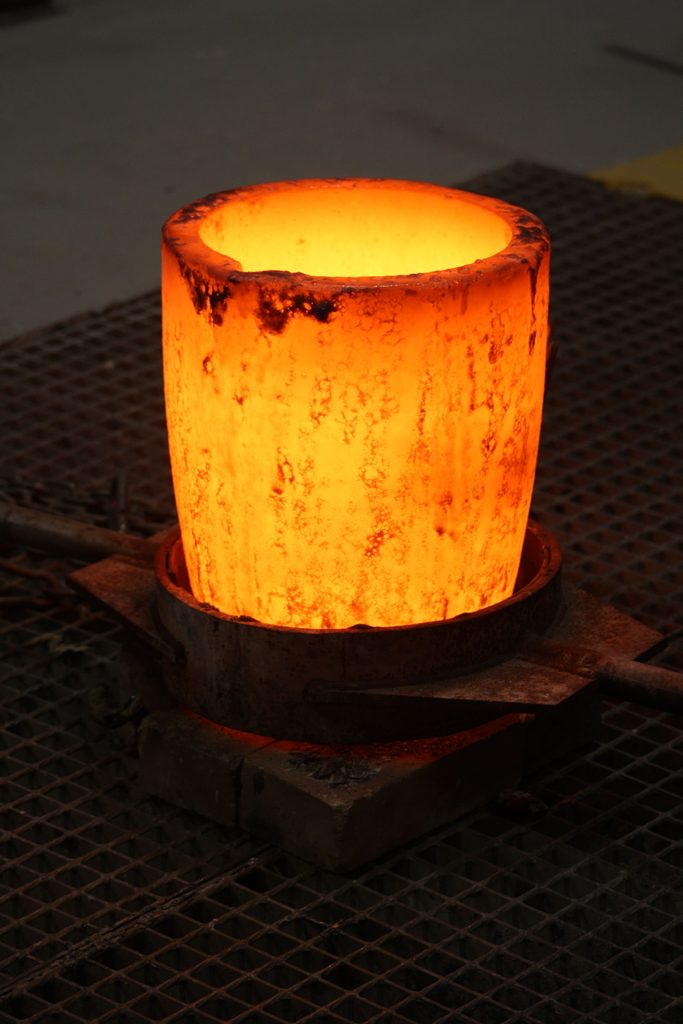
The mold is built through controlled dipping baths using colloidal silica and molochite of various grain sizes. Finally, a layer of fiberglass is applied before dewaxing and firing.
A final safety dip helps achieve a better finish after firing, leaving the mold ready for casting.
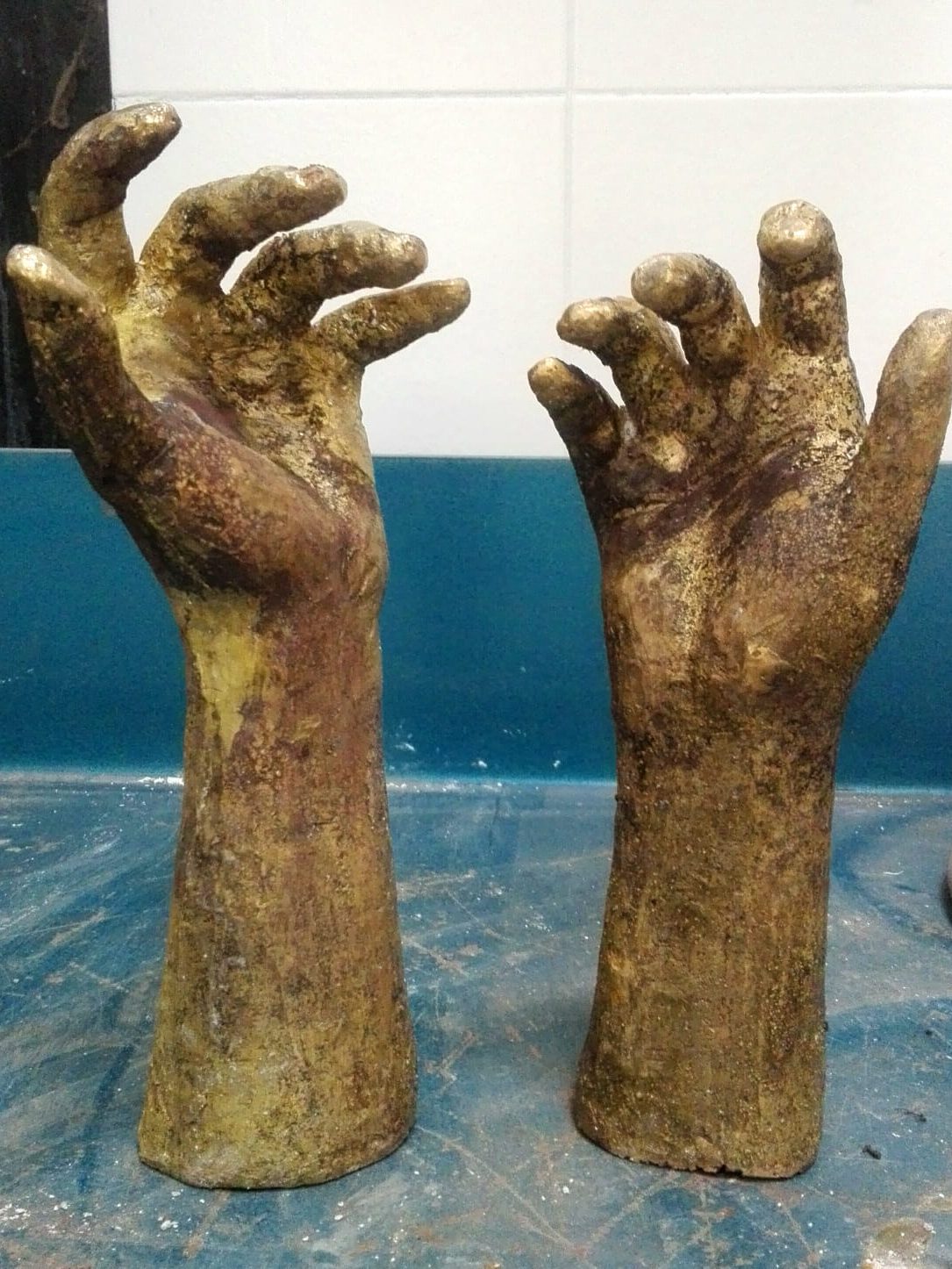
Cleaning, finishing and applying the patina complete the process.
SCULPTING IN WAX
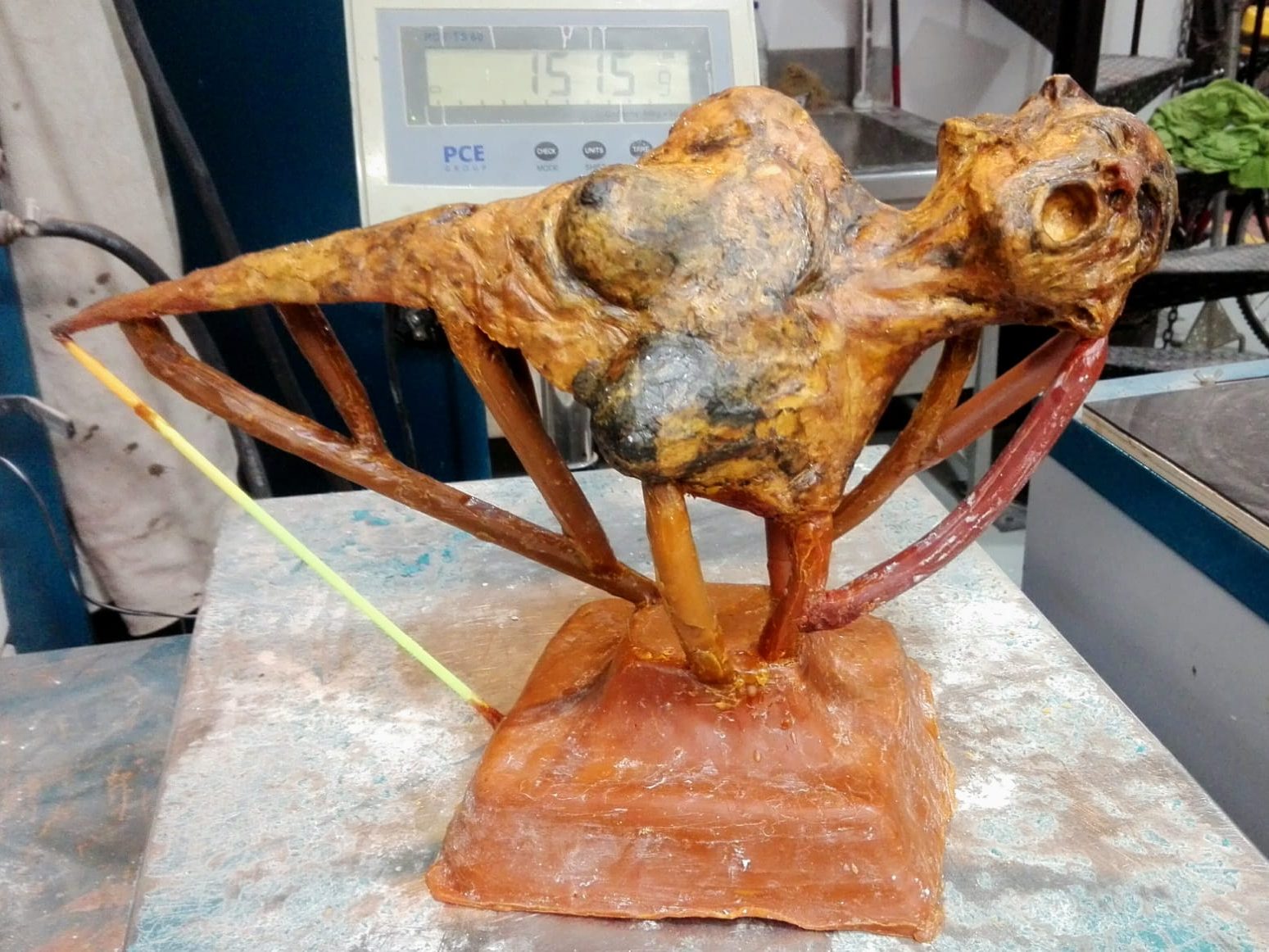
CASTING SPRUE
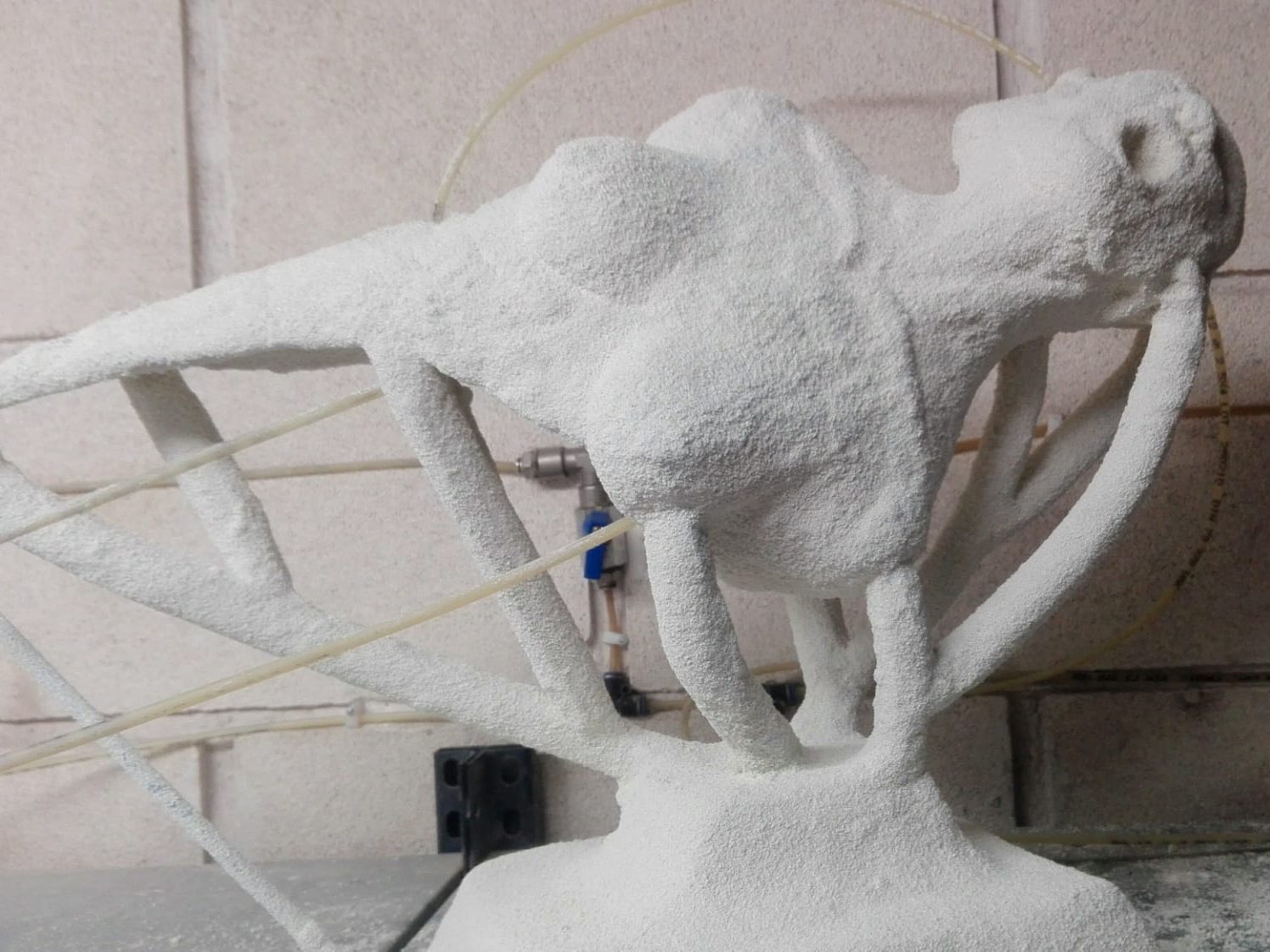
CERAMIC SHELL MOLD
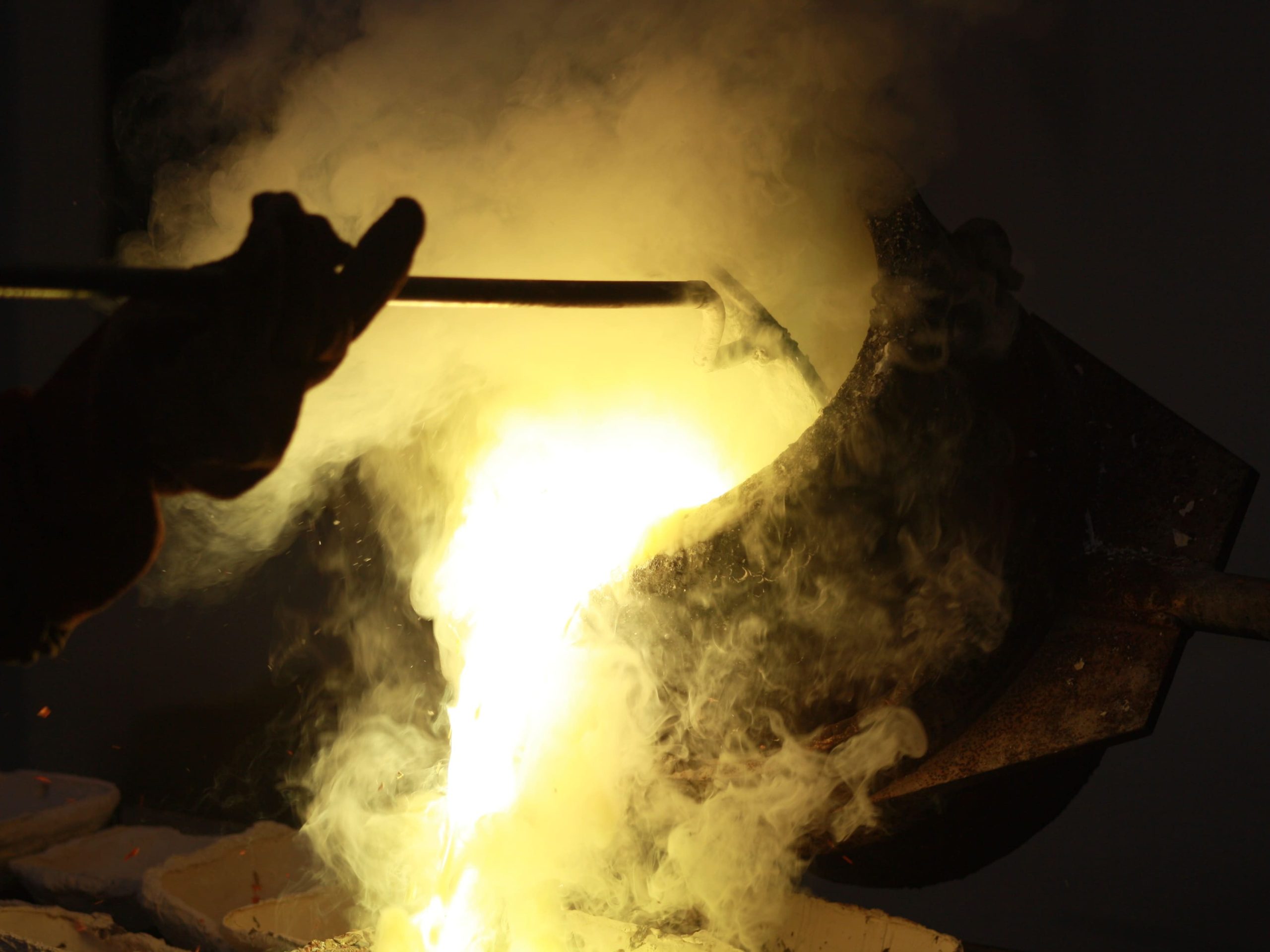
METAL CASTING

RREMOVAL OF THE CASTING SPRUE

CLEANING
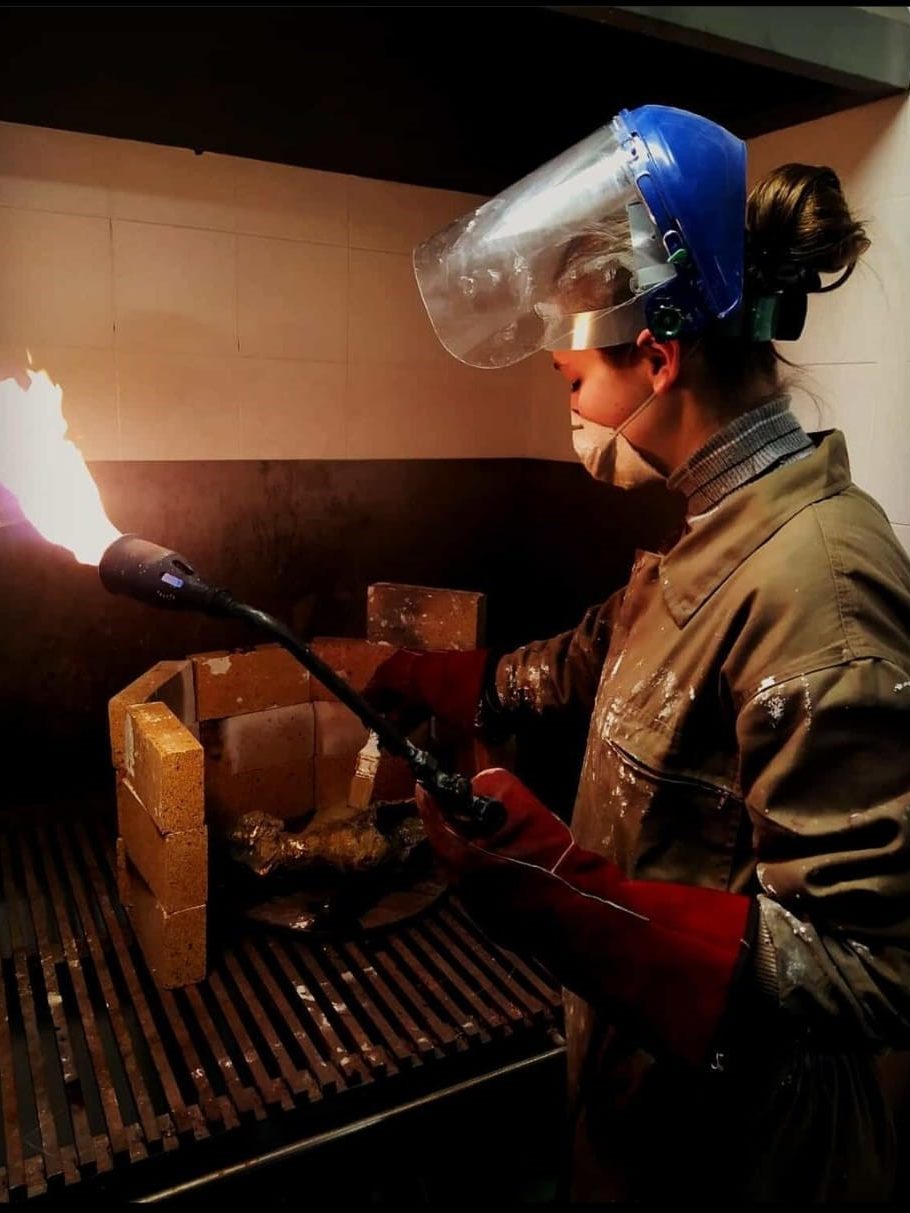
PATINA APPLICATION
ISOLATION, 2020
Brass casting.
43 x 14 x 10 cm


PROCESS

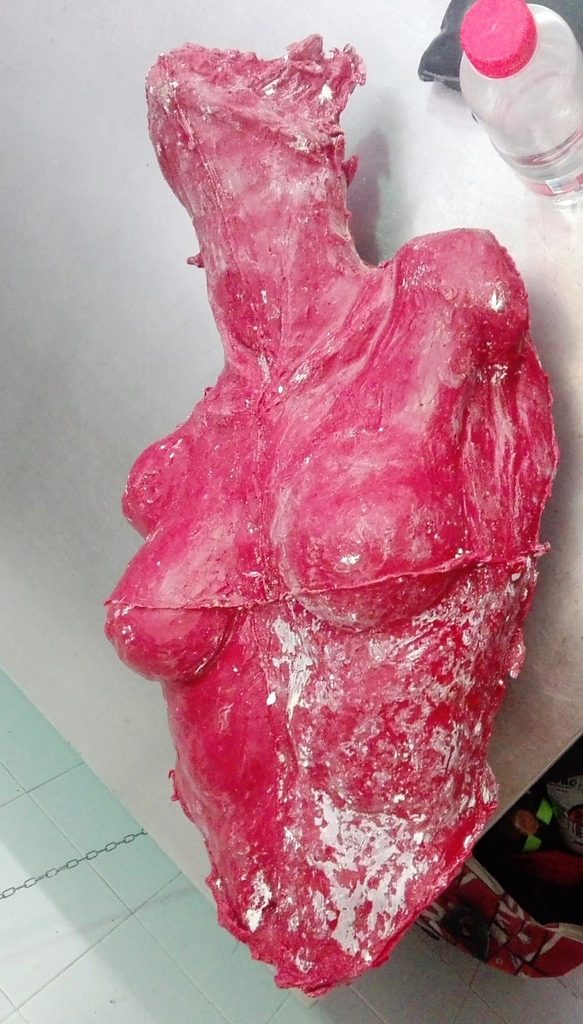
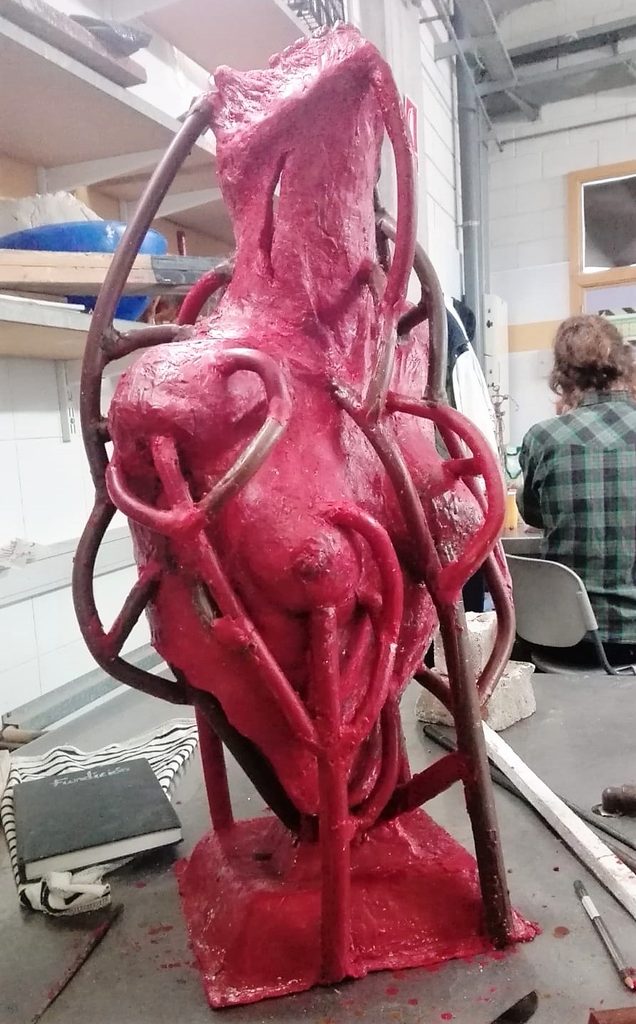
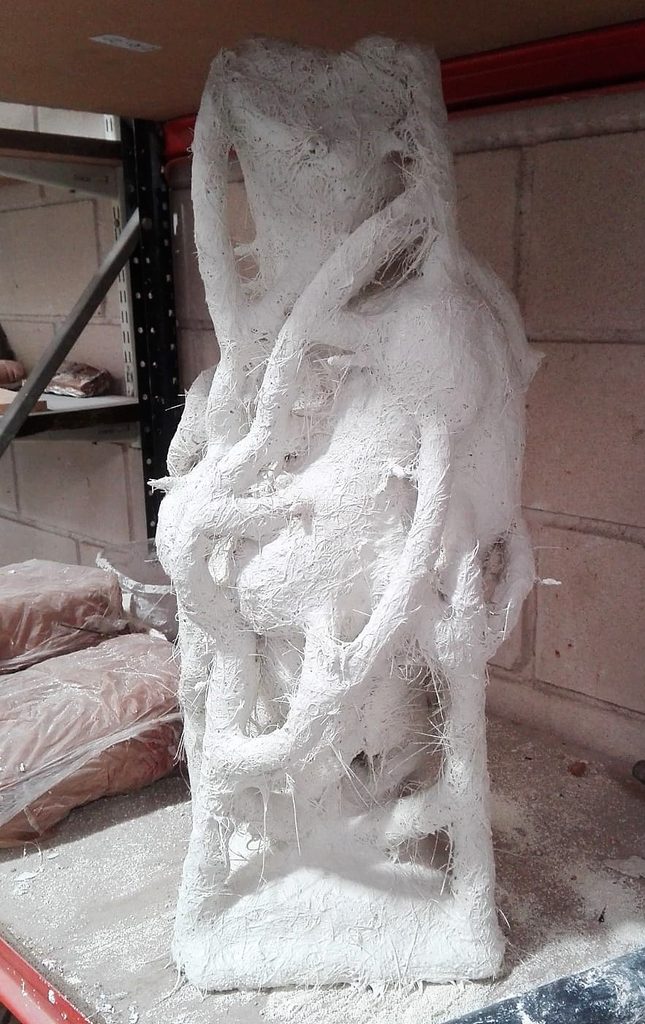
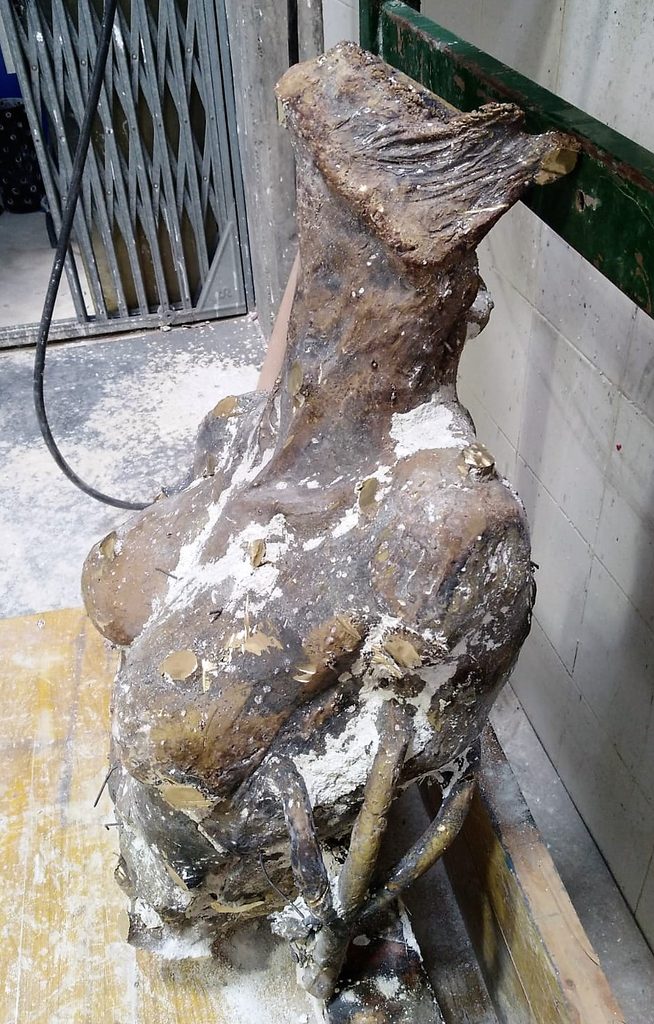
DEATH, 2019
Brass casting.
60 x 34 x 23 cm
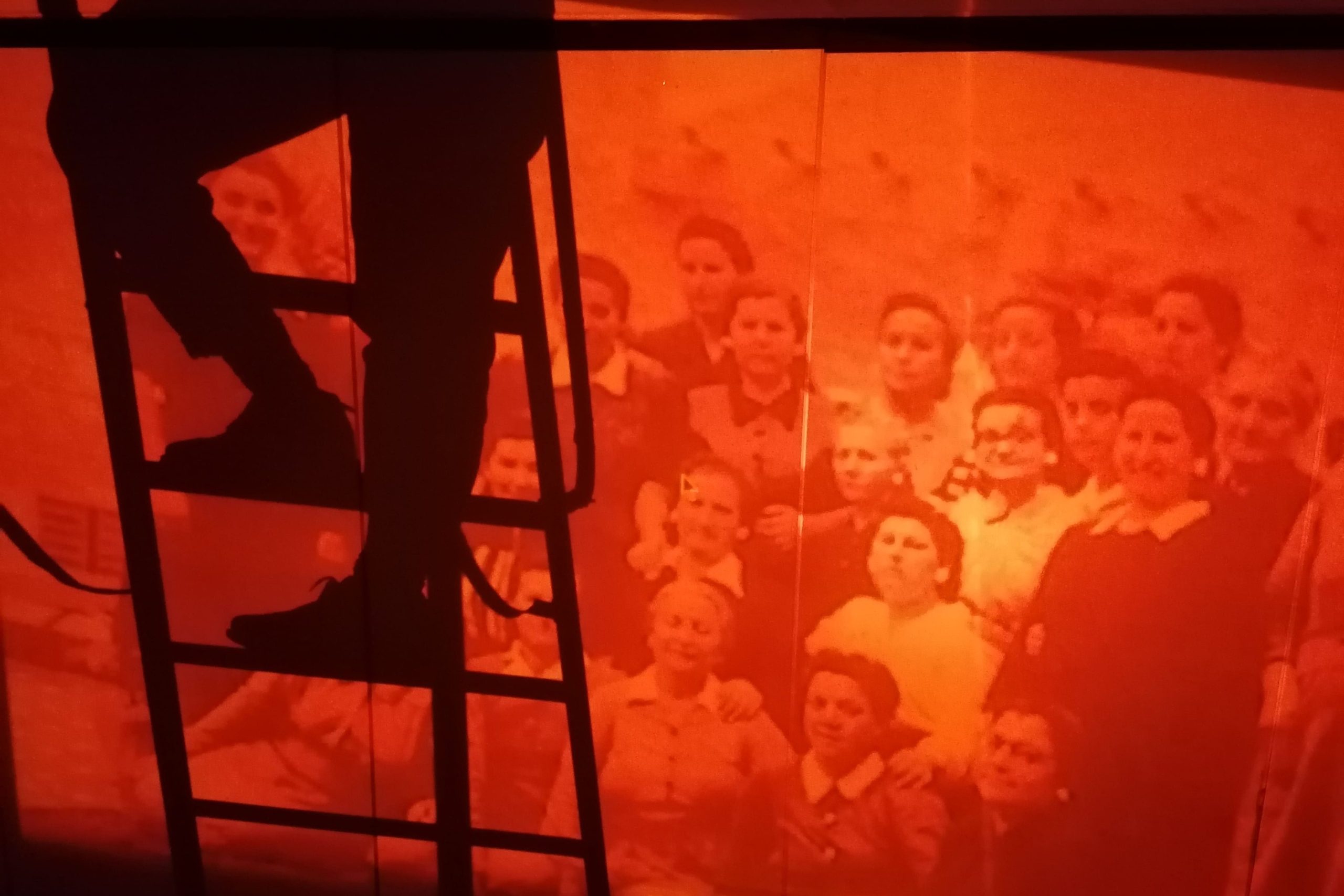
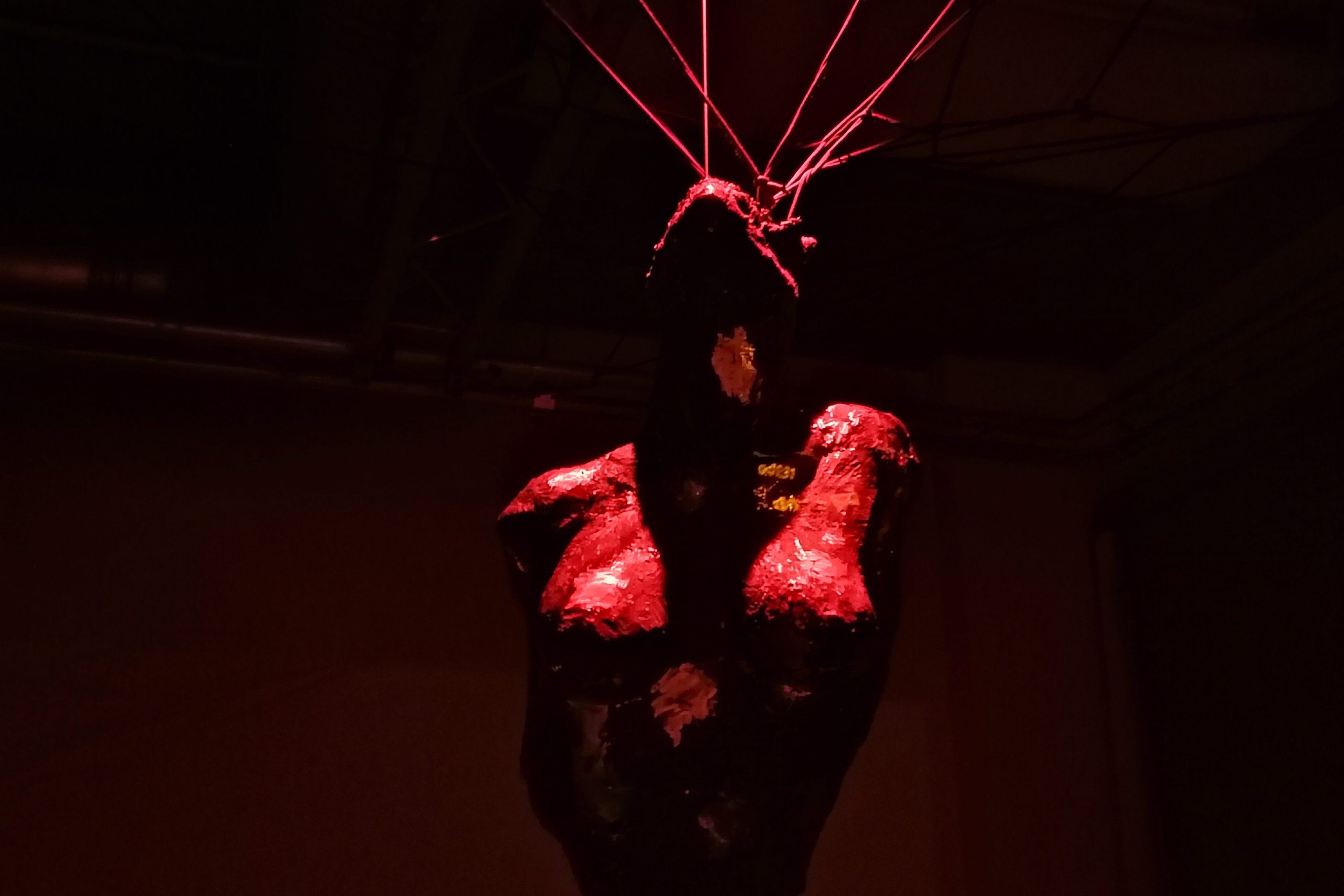
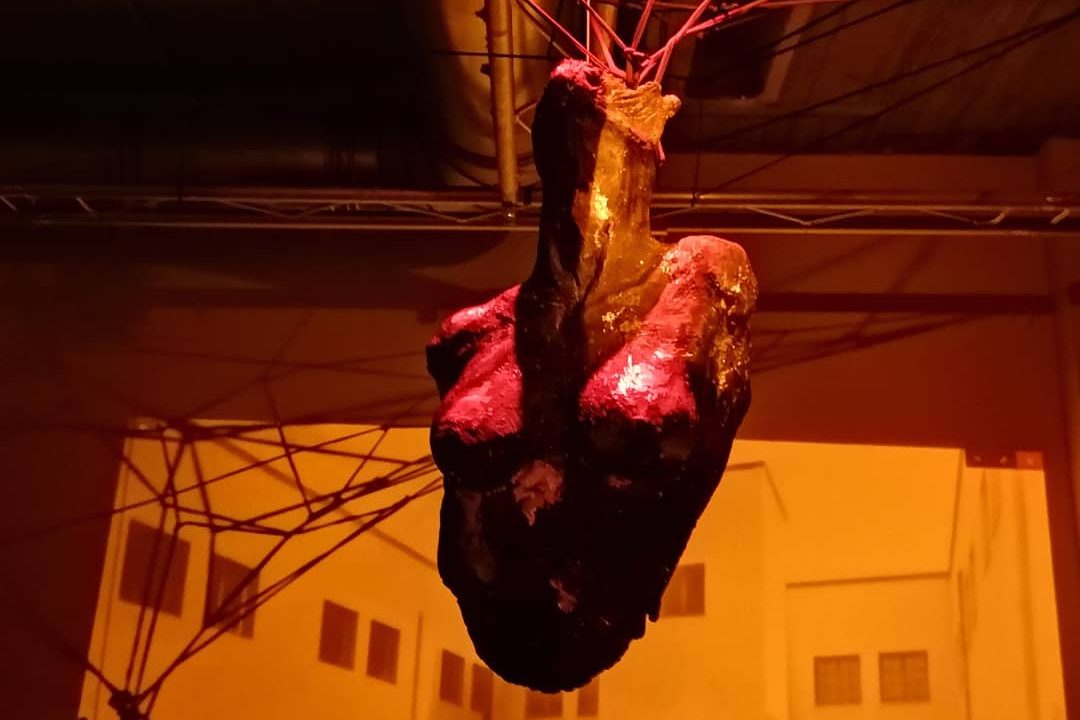
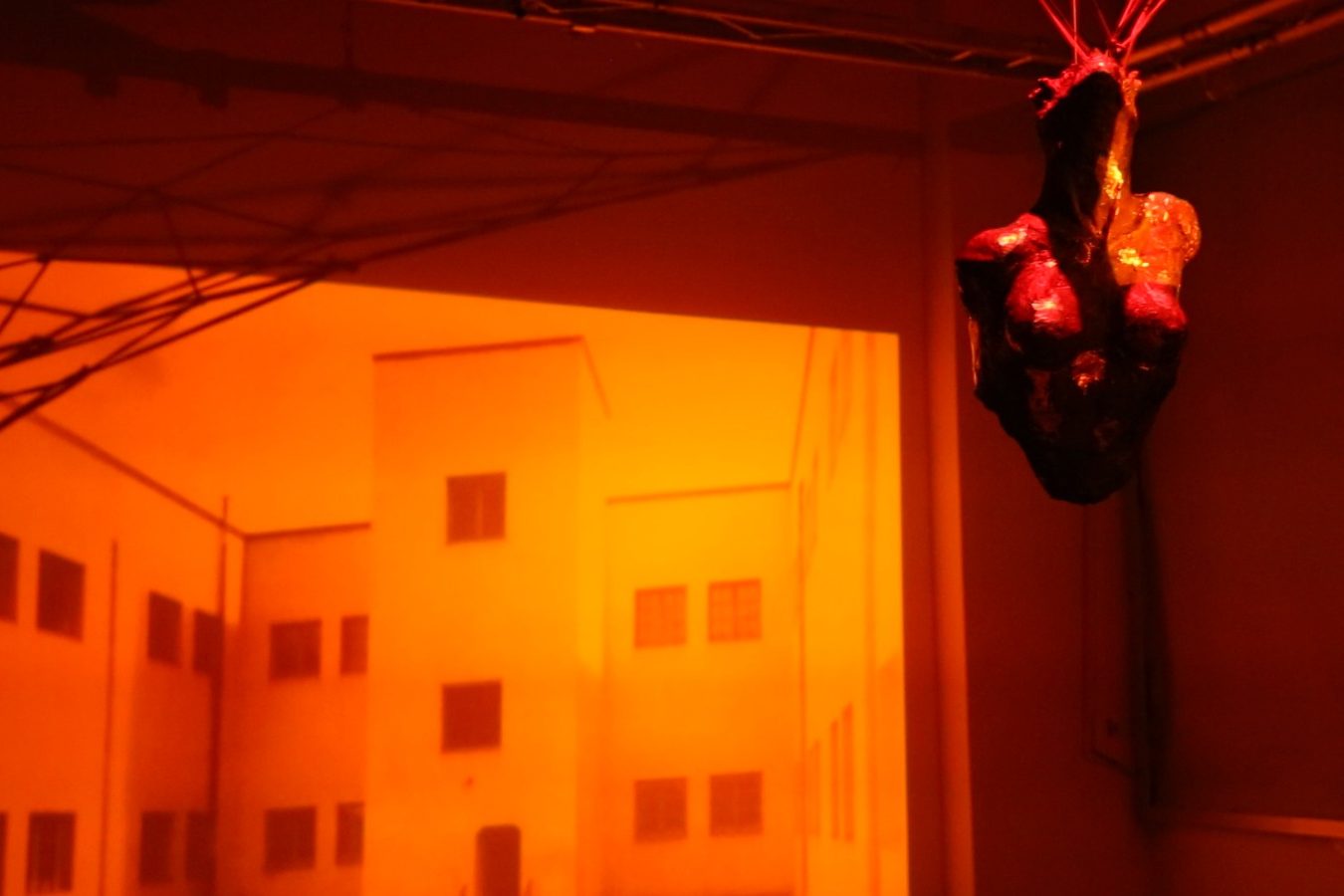
INSTALLATION
PROCESS

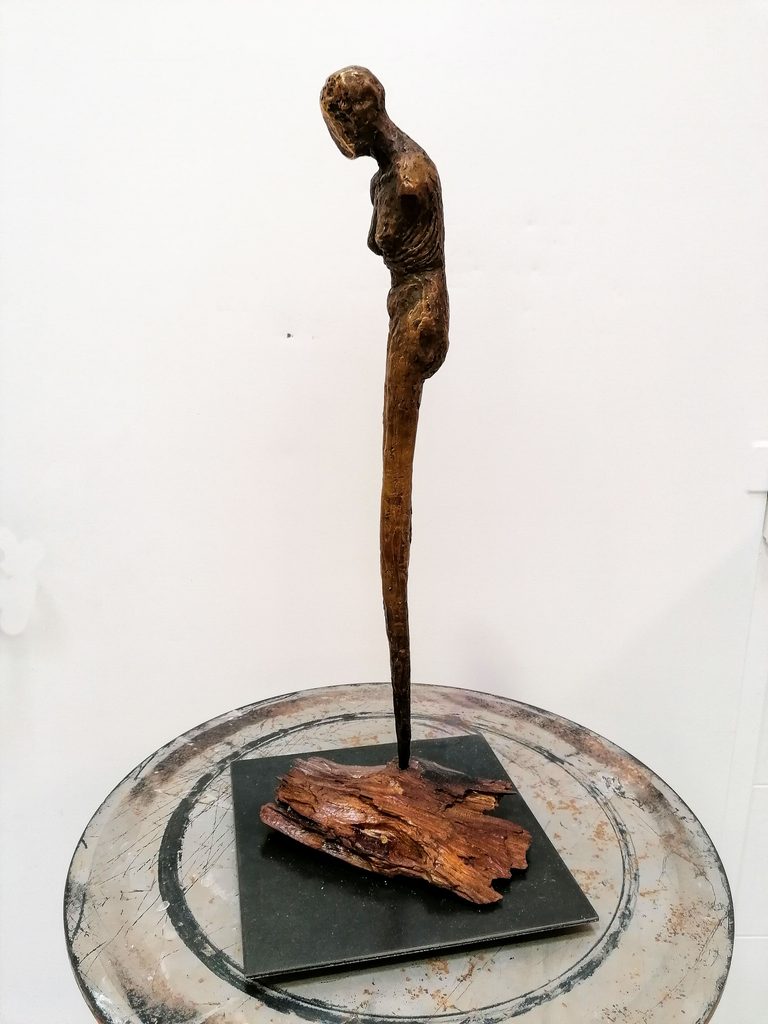
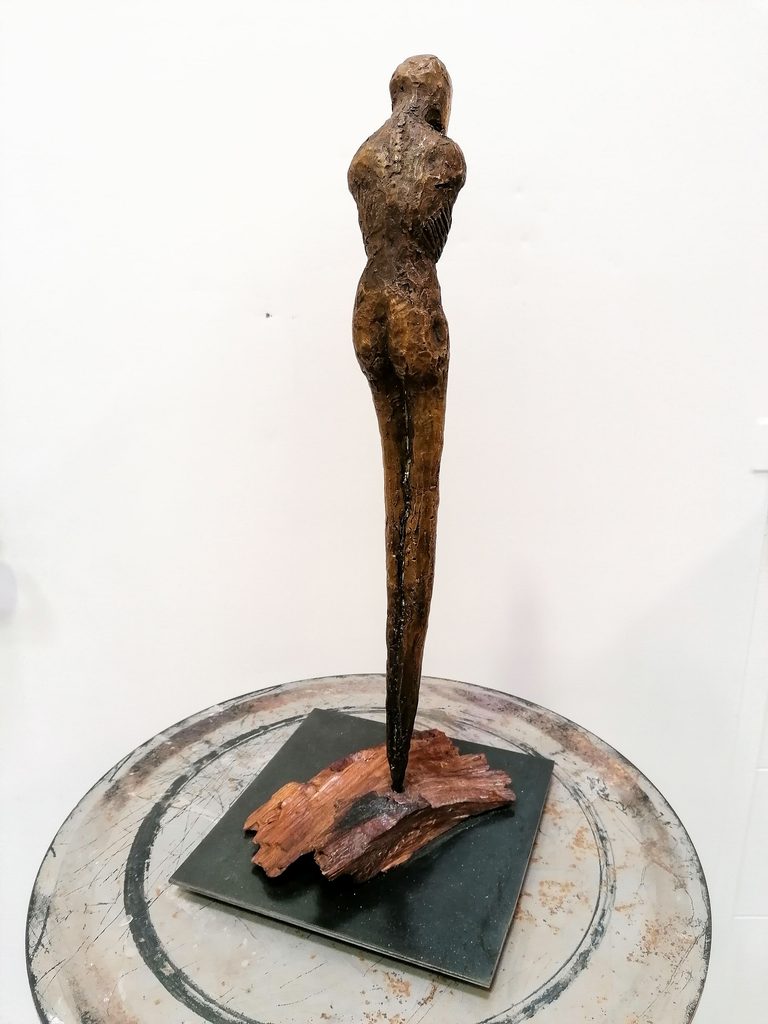
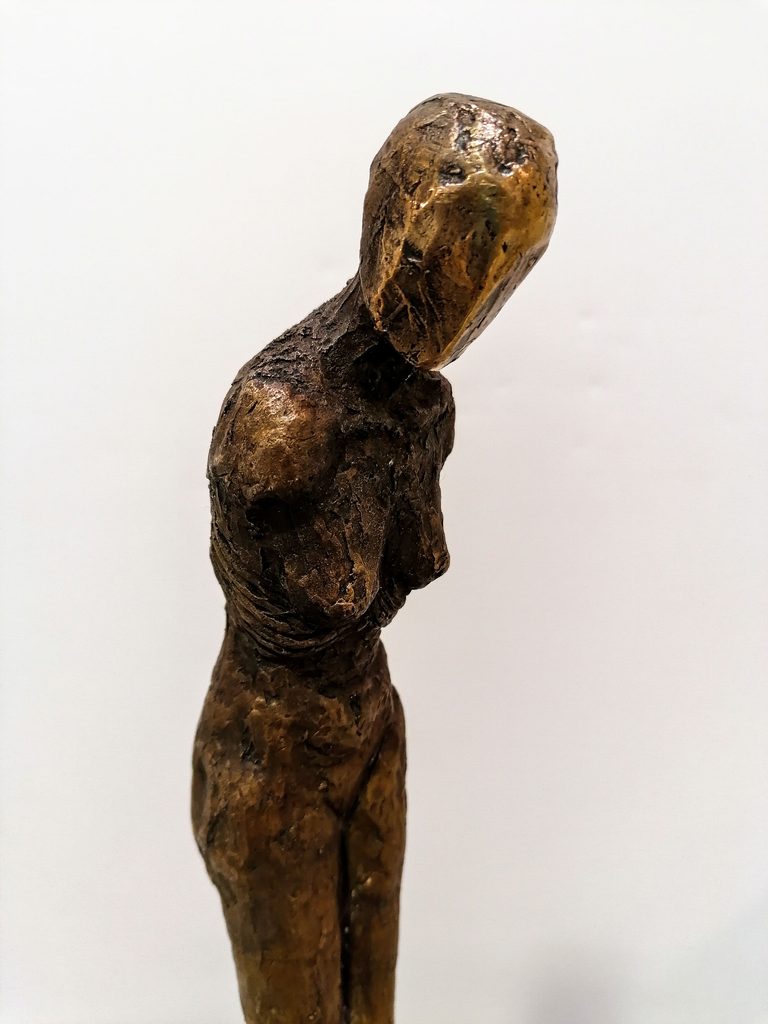
WALKER, 2021
Bronze on carob root and iron.
45 x 19 x 19 cm



PROCESS


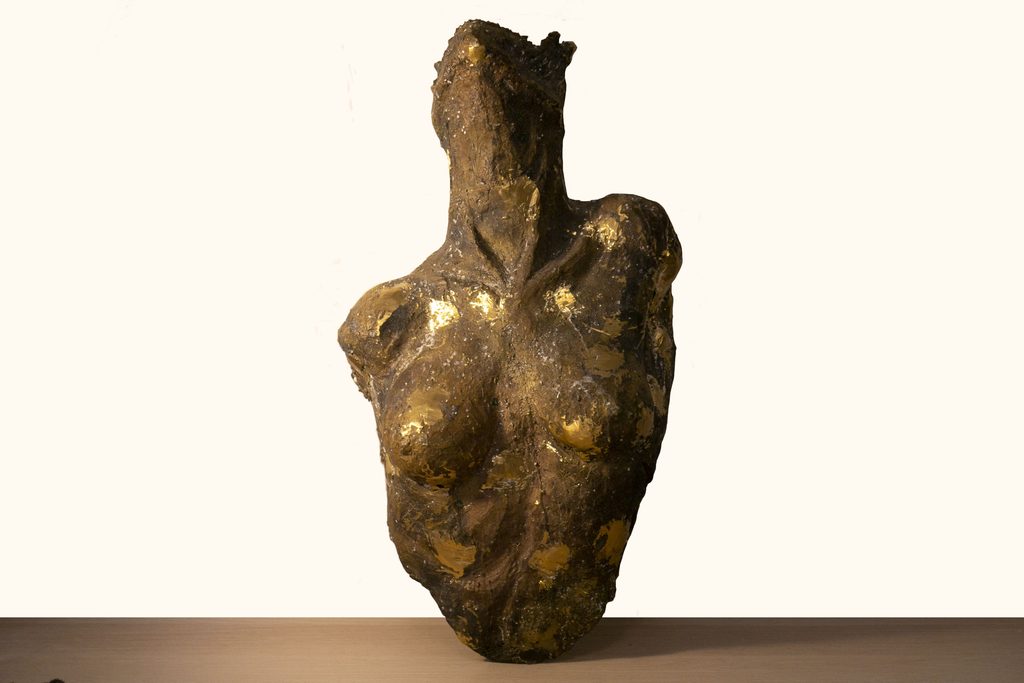
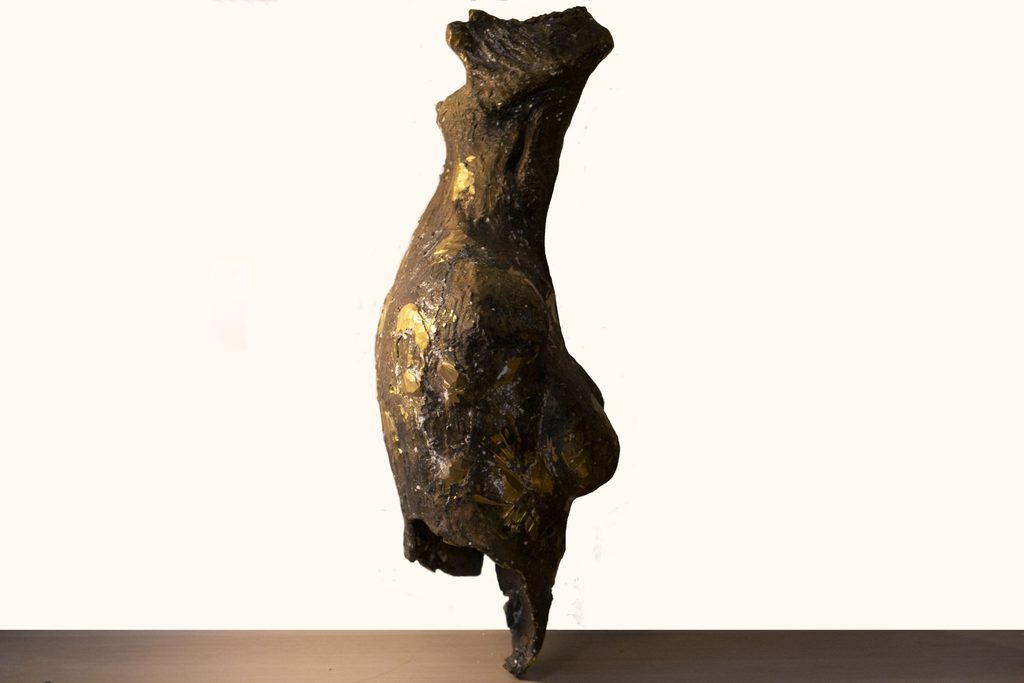
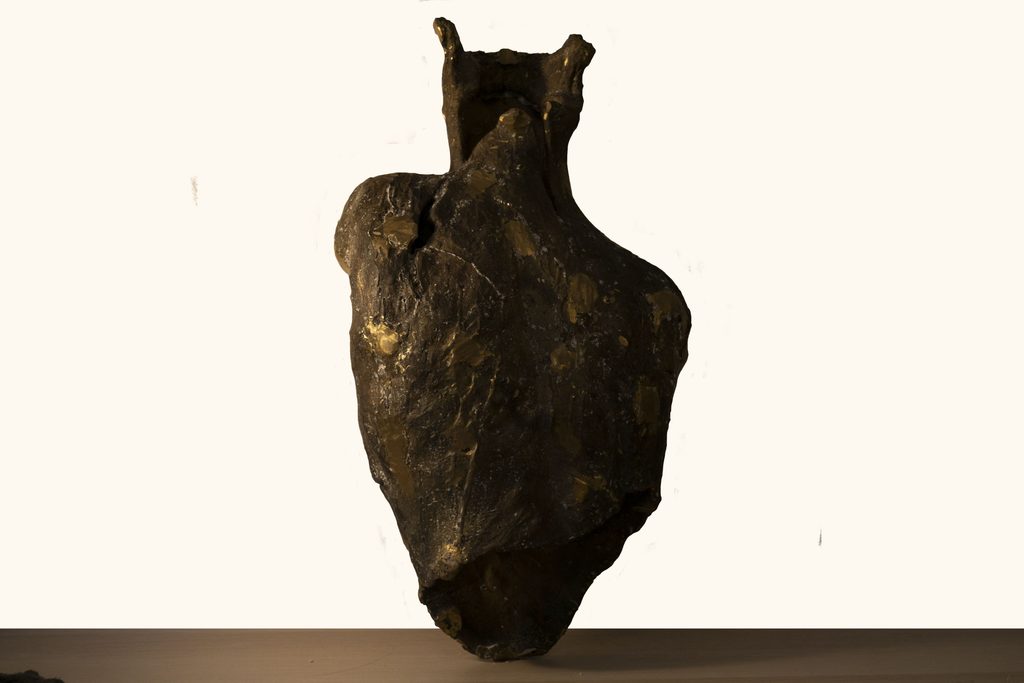
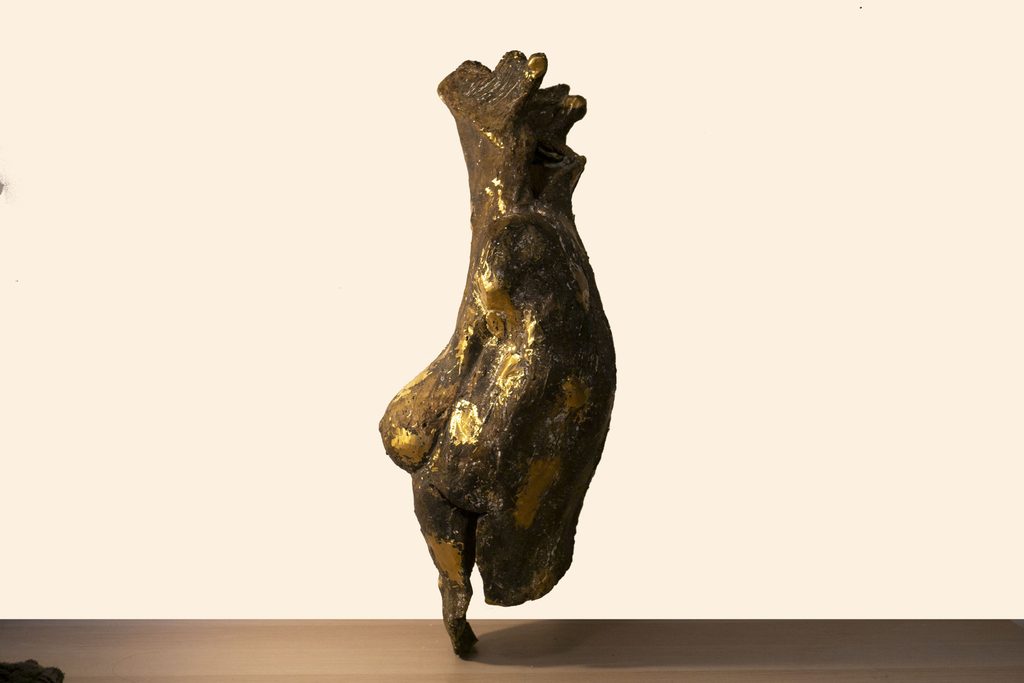
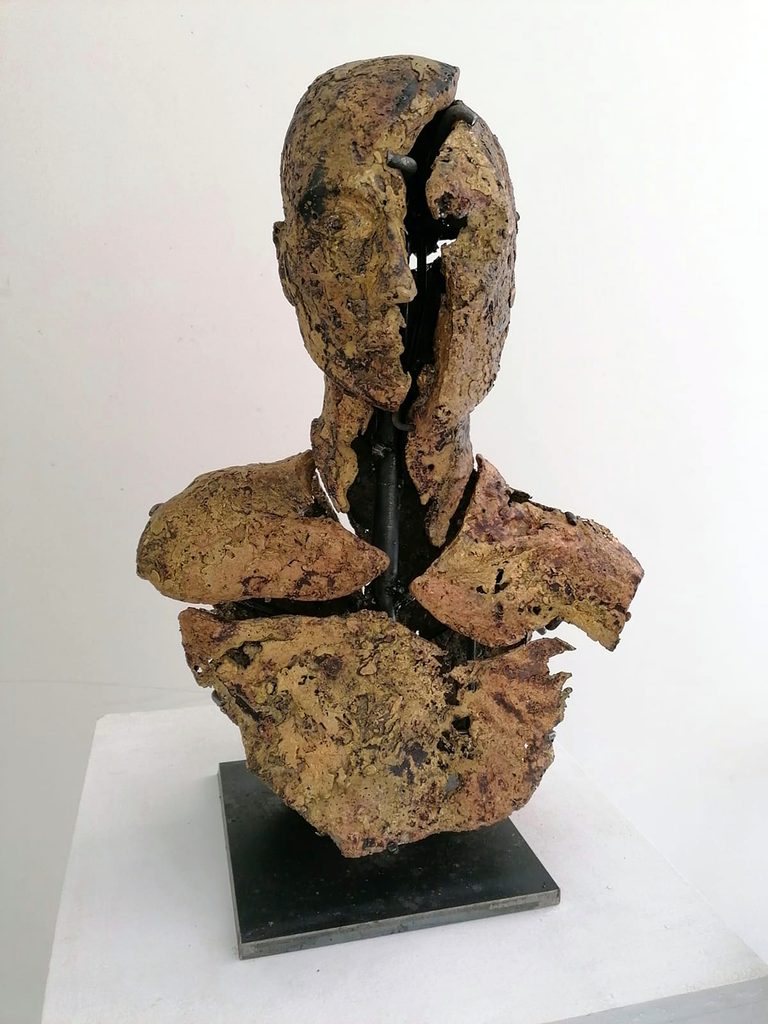
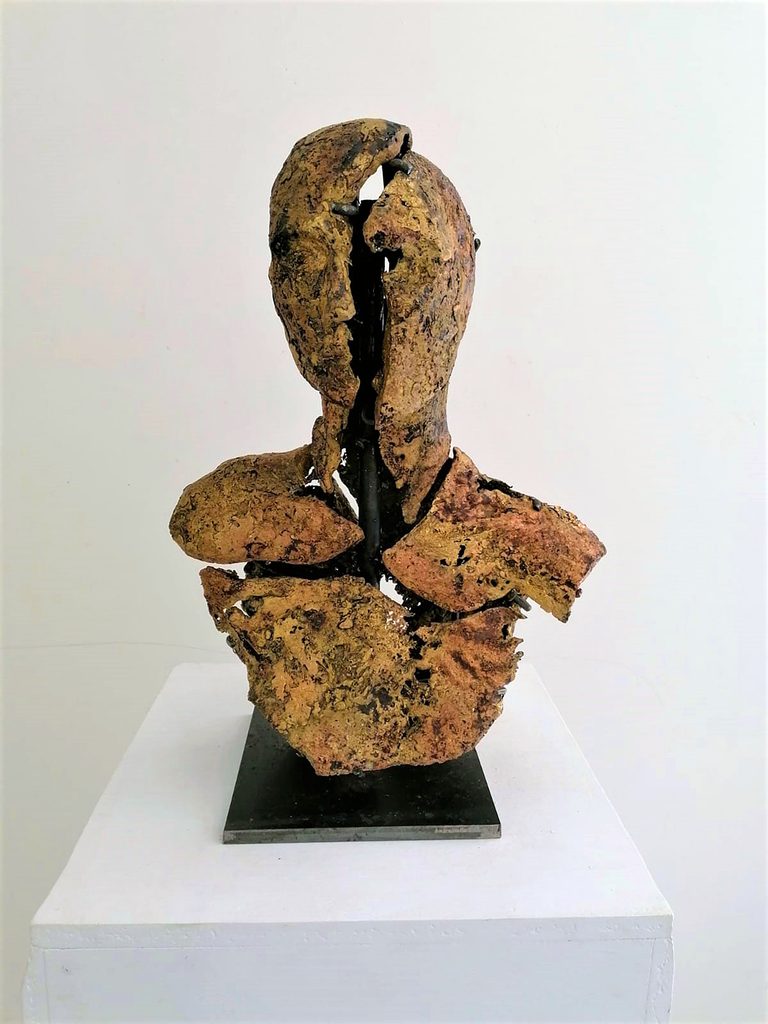
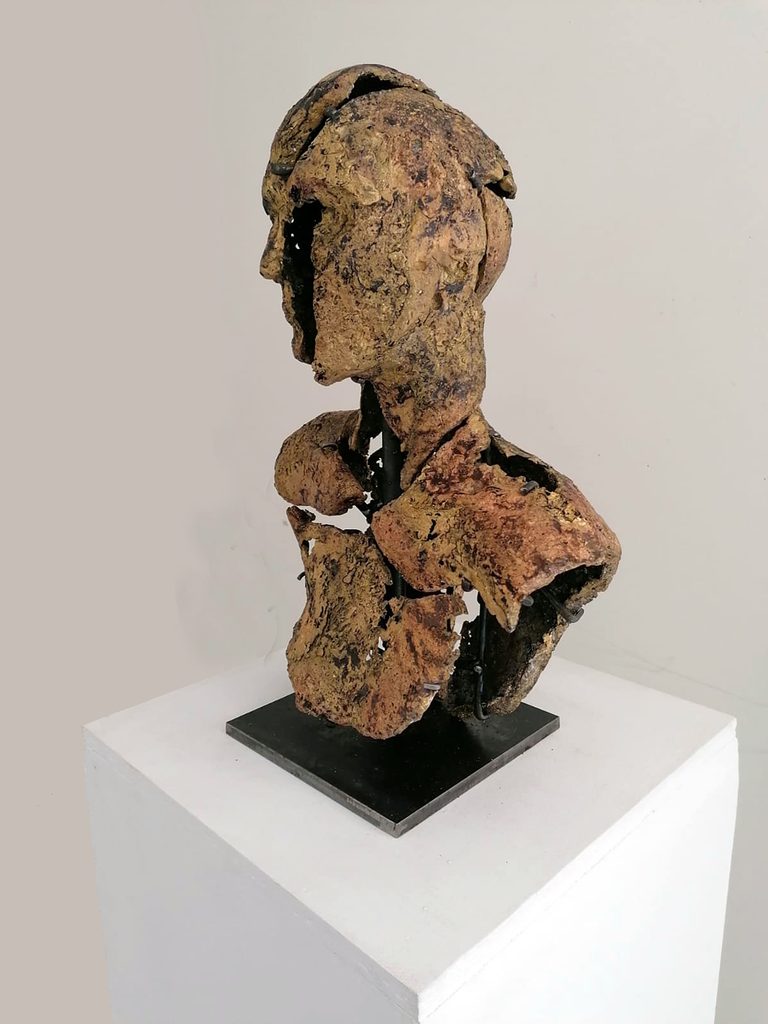
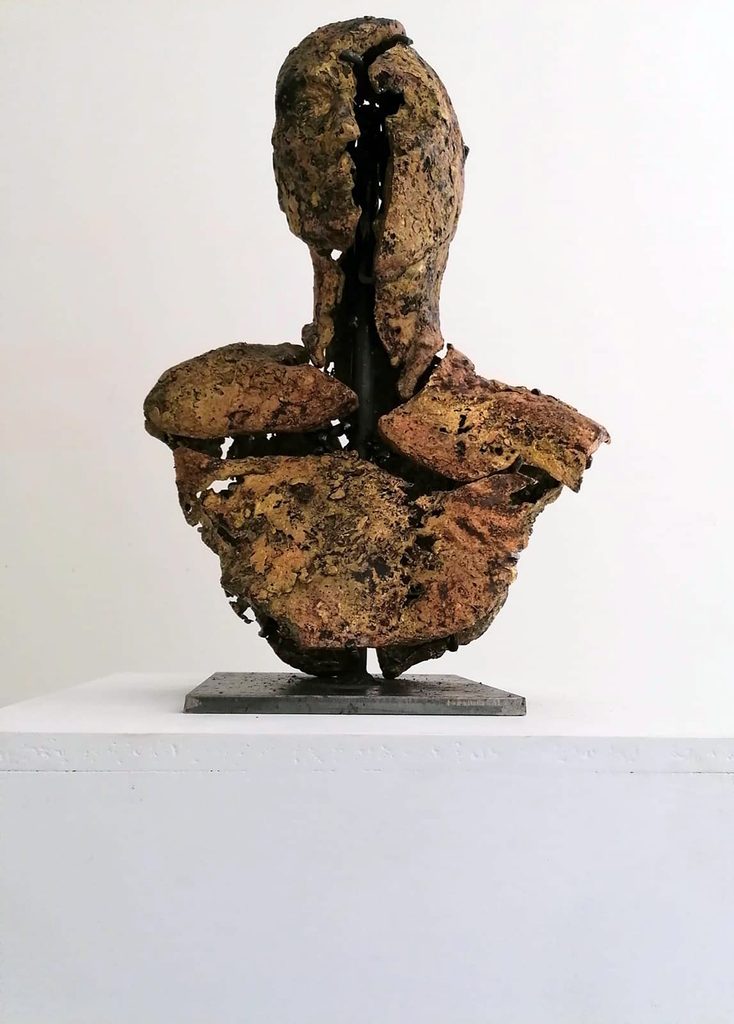
WAITING, 2021
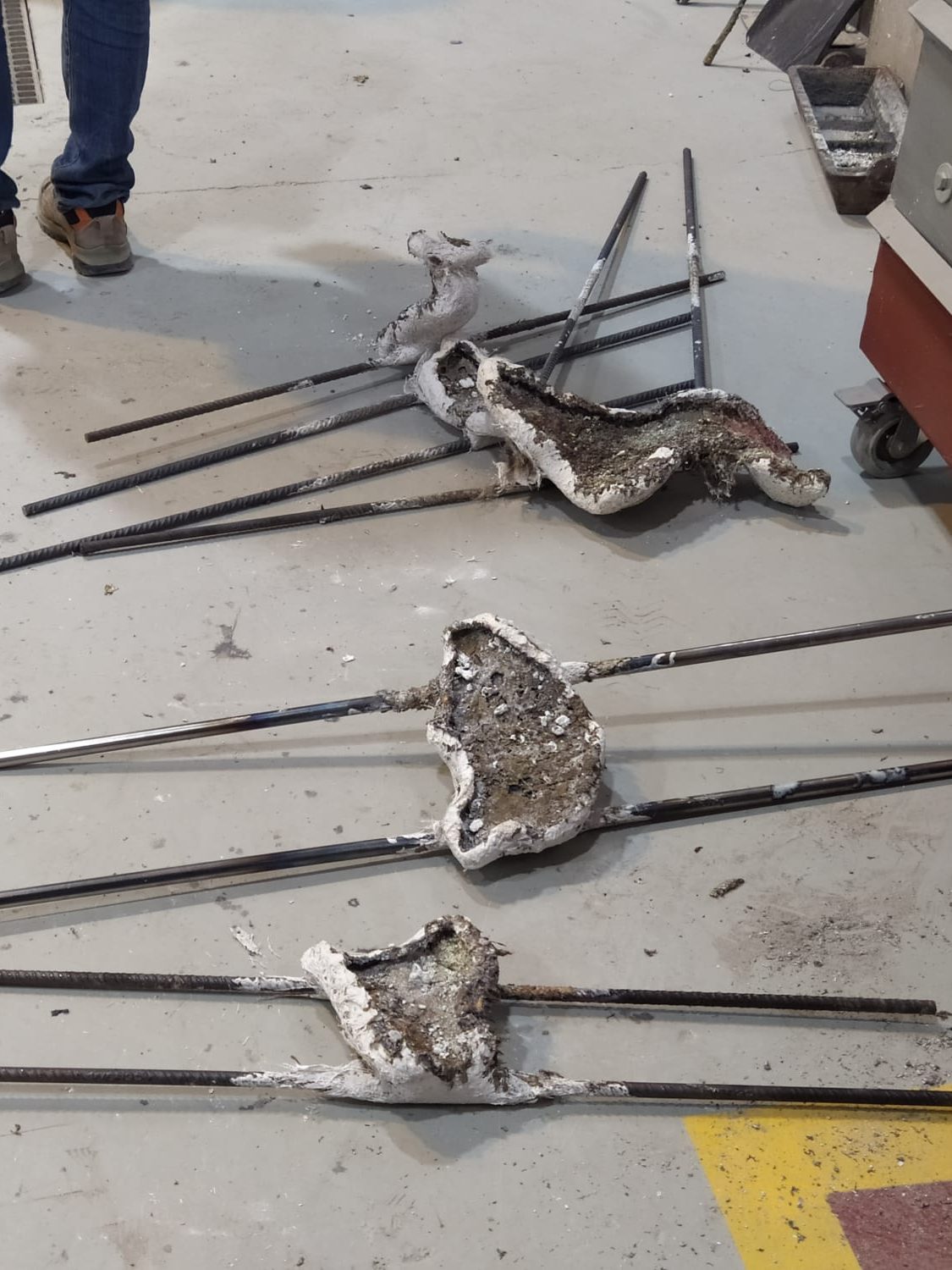
Brass cast against the mold. Experimental technique.
53 x 31 x 18 cm
PROCESS